


Visual Systems for Brands
From Individual Images to a Recognisable Visual World
A brand rarely needs just one image.
It needs many.
Different products.
Different subjects.
Different formats.
Different campaigns.
Different moments.
The challenge is not simply producing more images.
It is making all of them feel as though they belong to the same world.
At Luzzitelli Danieli, we design visual systems that give brands a consistent framework for
creating and evolving imagery over time.
Because recognition is built through relationships between images — not through a single
image alone.


What Makes a Visual System?
A visual system defines the principles that connect one image to another.
Light.
Colour.
Composition.
Perspective.
Materials.
Scale.
Atmosphere.
Movement.
Together, these elements create a visual logic that can remain recognisable while the images themselves continue to change.
The system does not restrict creativity.
It gives it direction.


One Creative Language Across Many Images
A visual system allows a creative idea to move beyond a single execution.
The same visual language can be applied to:
Advertising campaigns
Packaging
Product imagery
Digital content
Social media
E-commerce
Motion
Editorial communication
The images do not need to look identical.
They need to feel connected.
Consistency is not repetition.
It is recognition.
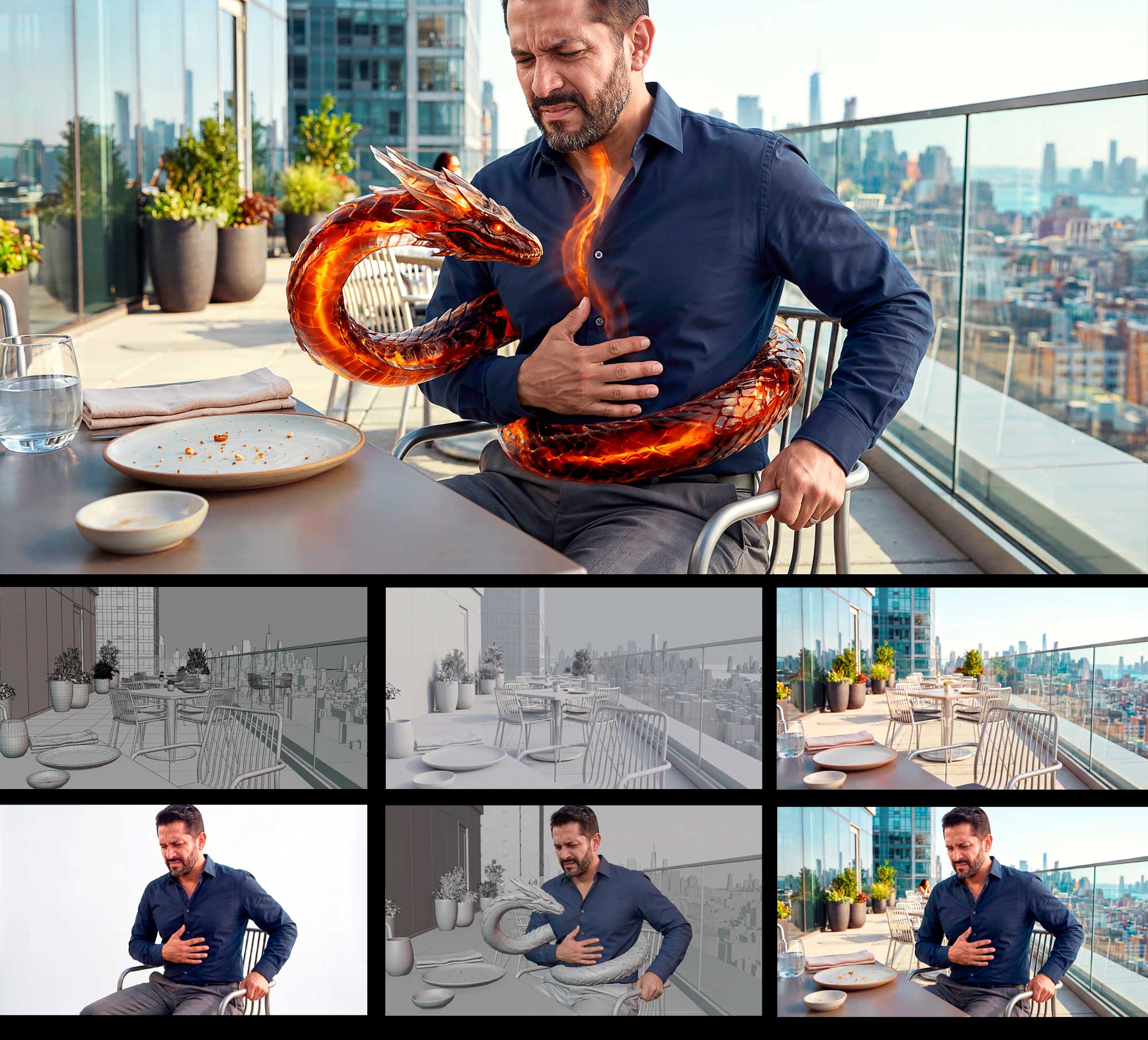

Different Production. Same World.
A visual system should not depend on a single production technique.
Photography can coexist with CGI.
Real products can live inside digitally constructed environments.
AI-generated imagery can extend an existing photographic language.
Motion can translate the same principles into time and movement.
The production method may change according to the requirements of the project.
The visual logic remains.
This creates a more flexible way of producing imagery without fragmenting the identity of the
brand.


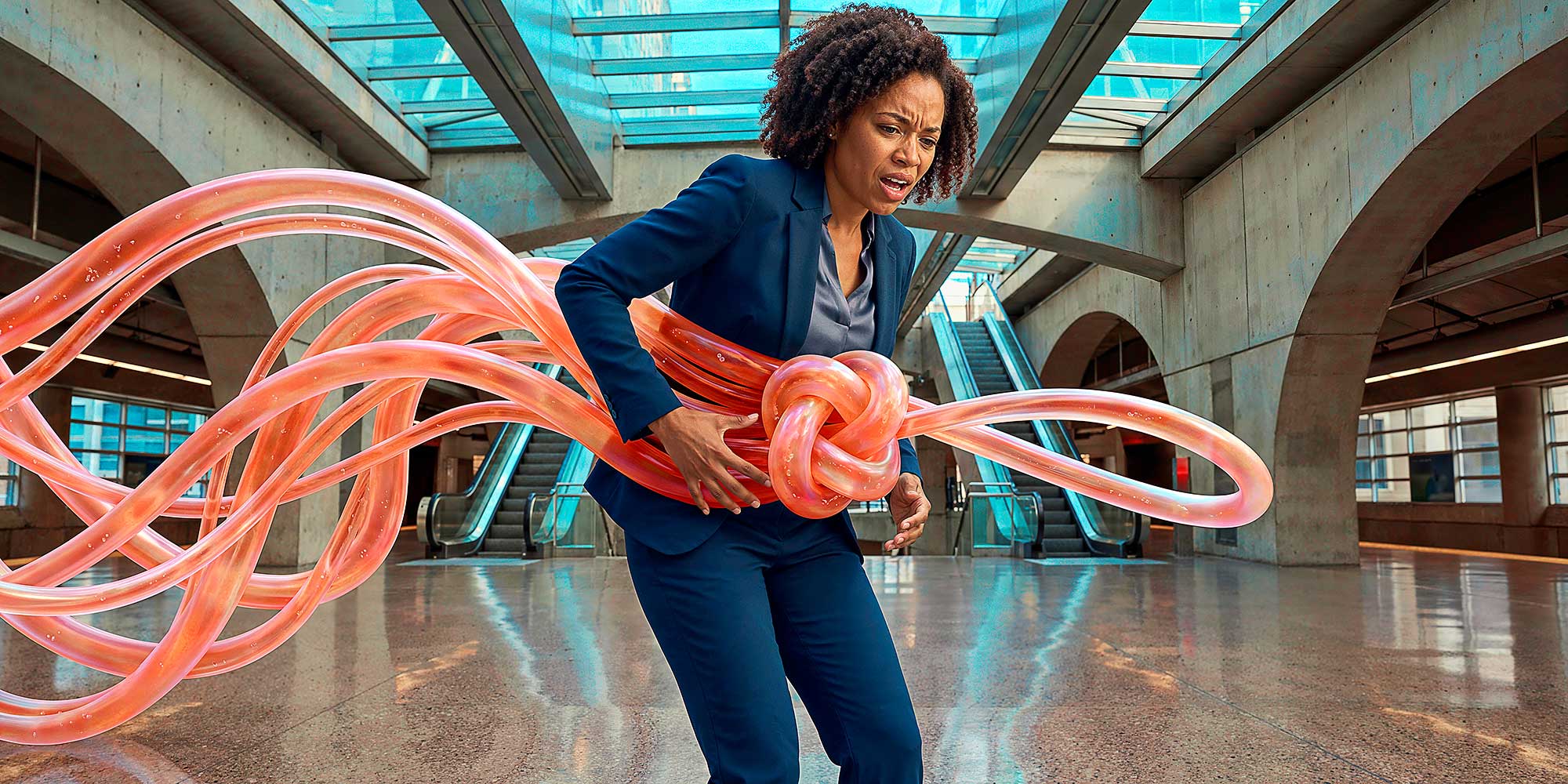
Designed for Variation
A strong visual system is structured enough to create recognition and flexible enough
to create new images.
That balance is essential.
Too much consistency creates repetition.
Too much variation creates fragmentation.
We define the visual principles that need to remain stable while leaving room for new
compositions, subjects, environments and ideas.
The result is a visual world that can grow without losing its identity.


Built for Ongoing Production
The value of a visual system becomes especially clear when a brand needs to produce imagery
continuously.
New products arrive.
New campaigns begin.
New formats appear.
Markets change.
Production technologies evolve.
Instead of reinventing the visual approach for every new project, the system provides a
foundation.
Each new image becomes part of something already recognisable.
This creates greater continuity across production while allowing the brand to evolve.

Creative Direction Becomes a Production Framework
Creative direction establishes the idea.
A visual system makes that idea repeatable.
It transforms creative decisions into a framework that can be applied across different images,
formats and production environments.
This is where visual thinking becomes a practical production tool.
Different images.
Different techniques.
Different outputs.
One recognisable world.
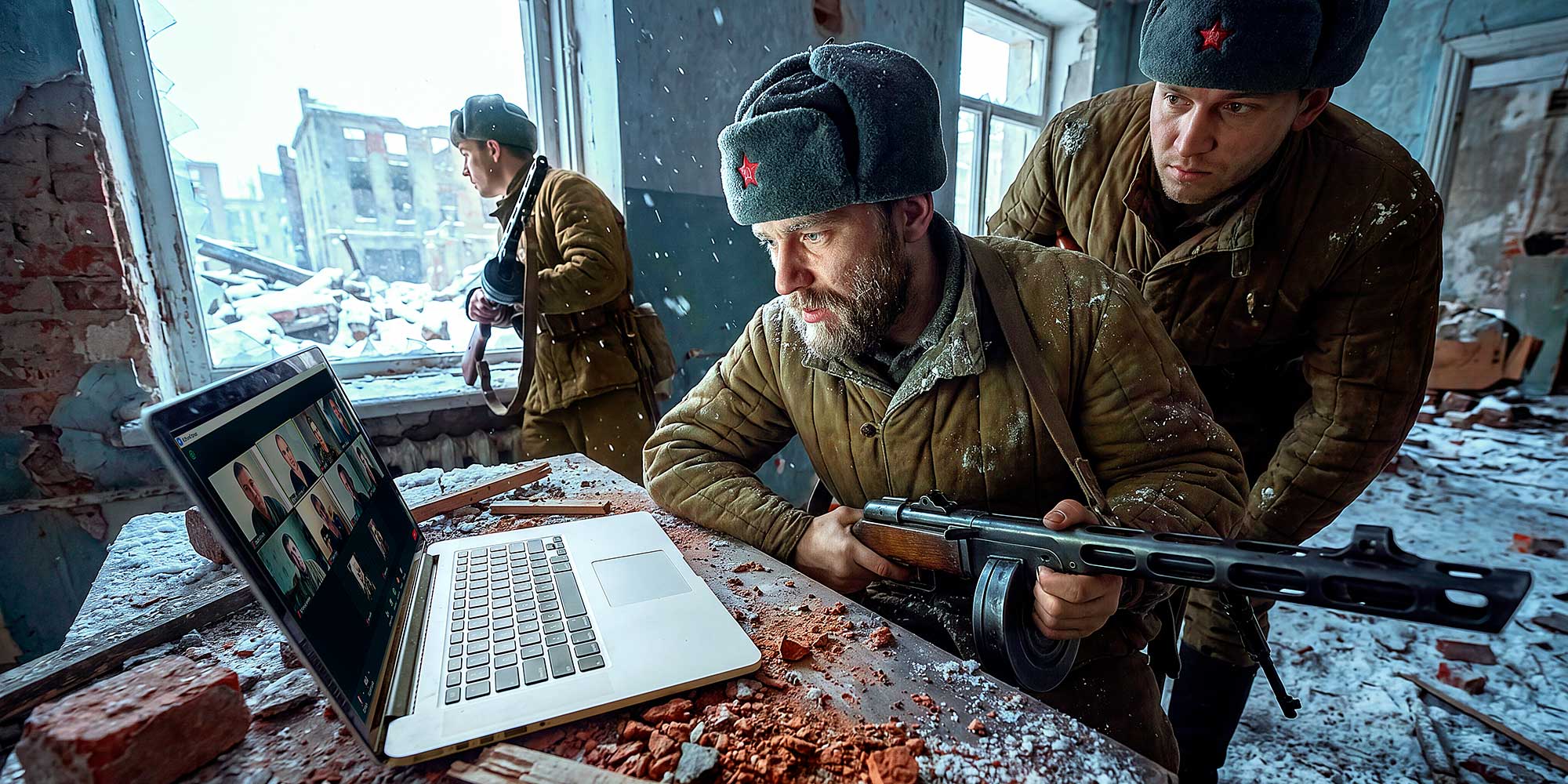
From Direction to System
An image communicates an idea.
A visual system allows that idea to live across many images.
This is the difference between creating a picture and building a visual world.
At Luzzitelli Danieli, we develop both directing individual images and designing the visual
frameworks that allow them to work together.
